Palace’s Injury Battle: Davies Steps Up as Transfer Window Looms

Another week, another chapter in the relentless Premier League journey for our beloved Crystal Palace. The season grinds on, and for us Eagles faithful, every pass, every tackle, and every rumour from Beckenham is scrutinised with the utmost passion. We’re in the thick of it, battling for every point, and right now, the spotlight shines brightly on both our injury woes and the promising performances of our emerging talent. There’s plenty to discuss when you follow a club like ours, so let’s get stuck into the latest from Selhurst Park.
The Injury Report: A Growing Concern at Beckenham
One of the most immediate and pressing concerns hanging over the upcoming fixtures, particularly the challenging encounter against Everton at Selhurst, is our growing injury list. It’s a cruel twist of fate that often strikes when a squad needs its full complement the most. For Crystal Palace, the treatment room seems to be getting busier by the day.
According to the latest reports, we’re facing a significant challenge with several key players sidelined. This forces strategic shifts and truly tests the depth of our squad. It’s frustrating to see our lads go down, but it’s part and parcel of the demanding top flight.
The Midfield Conundrum: Cheick Doucouré’s Absence Looms Large
The engine room of any successful Premier League side is its midfield, and the absence of Cheick Doucouré is undeniably a colossal blow. When fit and firing, Doucouré is the heartbeat of our midfield. He’s a relentless ball-winner, an astute interceptor, and a key link between defence and attack.
His ability to break up play, shield the back four, and initiate transitions provides essential balance to the team. Without his robust presence and intelligent positioning, the responsibility now falls heavily on others to fill that void. This isn’t just about replacing a player; it’s about re-establishing the rhythm and defensive solidity he brings to the centre of the park.
The gaffer will be scratching his head, contemplating how best to reconfigure the midfield to maintain control and prevent opponents from dictating terms in that pivotal area. His injury demands a tactical rethink, demanding more from the remaining midfielders and potentially altering the team’s overall defensive shape and pressing intensity. From what I’ve seen this season, players like Jefferson Lerma and Adam Wharton have stepped up at times, but no one truly replicates what Doucouré offers.
Attacking Options Thinned: Eddie Nketiah and Evann Guessand Sidelined
Further up the pitch, our attacking options have also taken a significant hit. The news that Eddie Nketiah is out due to injury is a real blow for our forward line. Nketiah, with his sharp movement, predatory instincts in the box, and ability to stretch defences, offers a different dimension to our attack.
His presence ensures that opposition defenders can never truly relax, always wary of his runs and finishing prowess. Losing a striker of his calibre inevitably reduces the manager’s tactical flexibility and goal threat. We need goals to climb the table, and without Nketiah, the burden of finding the net becomes heavier on others, particularly on Jean-Philippe Mateta and Jordan Ayew.
Adding to this concern is the injury to Evann Guessand. Guessand provides valuable versatility, capable of playing across the front line and offering a different profile in terms of pace and power. His ability to hold up the ball, link play, or run in behind makes him a useful asset.
His absence further limits the manager’s options for rotation and tactical adjustments during a game. The combined loss of Nketiah and Guessand means the manager will have to be creative and potentially lean on younger talents or players stepping into unfamiliar roles to maintain an attacking impetus. This scenario highlights the perennial Premier League challenge of managing squad depth against the physical demands of the league.
Defensive Depth Tested: Caleb Kporha’s Back Injury
At the back, the squad faces another test of its resilience with Caleb Kporha sidelined due to a back injury. While perhaps not a regular starter, squad players like Kporha are essential for providing depth, cover, and competition. Injuries to such players can quickly expose vulnerabilities, especially during periods of fixture congestion.
His absence means one less option for defensive cover, potentially placing more pressure on the established centre-backs and full-backs. In the unforgiving environment of the Premier League, where suspensions and further injuries are always a possibility, having a full complement of defensive options is paramount. The medical staff at Beckenham will undoubtedly be working tirelessly to get these lads back on the pitch as swiftly and safely as possible. For now, though, the manager faces a genuine puzzle in squad selection.
Defensive Resilience: Liam Davies Steps Up for the Eagles
Amidst the injury woes that have plagued the squad, a glimmer of light has emerged from the defensive ranks, offering a timely reminder of the talent within our club. Liam Davies delivered a truly commendable outing at centre-back, a performance that undoubtedly caught the eye and offered a significant boost to the team’s defensive efforts.
His display wasn’t just good; it was a masterclass in robust, intelligent defending, earning him deserved praise and highlighting his growing importance to the Eagles. Speaking to lads outside the ground after the game, everyone was raving about him.
A Commanding Performance From Davies at the Back
Davies demonstrated a maturity and positional awareness beyond his years, showcasing robust defensive qualities that are the bedrock of any successful Premier League side. His positioning was excellent, a fundamental aspect of centre-back play that often goes unnoticed until it’s lacking.
He consistently found himself in the right place at the right time, anticipating danger and cutting out potential threats before they could materialise into clear-cut chances for the opposition. This foresight is invaluable, preventing opponents from gaining momentum and keeping the defensive line organised.
What’s more, Davies made several key interceptions, snuffing out attacking movements with precision and timing. These aren’t just clearances; they are intelligent reads of the game, stepping in front of an attacker to claim possession or deflecting a dangerous pass away from the penalty area. Such interventions often go unsung but are vital in maintaining defensive integrity. His ability to read the game and make these timely interventions speaks volumes about his understanding of the role and his composure under pressure.
Perhaps most impressively, Davies consistently won aerial duels, an absolute necessity for any defender operating in the Premier League. Whether it was defending set-pieces, challenging for long balls, or contesting flick-ons, he dominated the skies. This aerial prowess is essential for relieving pressure, winning back possession, and ensuring that our box remains protected from crosses and high balls. In a league renowned for its physical demands, a centre-back who can command the air is a true asset.
His performance reflects his dedication and skill, providing a solid foundation for the team and demonstrating that even in challenging times, individual brilliance can shine through. Such displays offer hope and a blueprint for the defensive solidity we crave, and it’s fantastic to see another product of our academy making a mark.
The Transfer Scene: Awaiting Movement at Selhurst
The transfer market is a beast that never truly sleeps, and for clubs like Crystal Palace, it’s a period of intense speculation, strategic planning, and often, nail-biting anticipation. While specific rumours and concrete deals are often shrouded in secrecy until the very last moment, the general discourse around potential incomings and outgoings is a constant backdrop to our season.
For the Eagles, the question of strengthening the squad is always pertinent, particularly when considering the physical toll of the Premier League and the current injury situation. The January window, in particular, always feels like a gamble.
Navigating Recruitment in the Transfer Window
The upcoming transfer window invariably carries significant weight. It’s not just about adding bodies; it’s about strategic recruitment that aligns with the manager’s vision and addresses specific areas of need. Given the current injury list, particularly in midfield and attack, the club’s hierarchy and scouting department will be under pressure to identify players who can make an immediate impact.
This isn’t merely about finding a temporary fix; it’s about investing in talent that can contribute to the long-term project at Selhurst Park. The challenge lies in striking the right balance: identifying players who are technically proficient and possess the mental fortitude and physical attributes required to thrive in the Premier League.
The financial realities of competing at this level mean that every signing must be thoroughly vetted, every penny wisely spent. Fans, naturally, are eager for news, hoping for that marquee signing or that shrewd acquisition that can propel the team forward. The transfer market is a complex world, influenced by agent fees, player wages, and the demands of selling clubs.
It requires patience, persistence, and a clear vision. The club’s ability to navigate this intricate environment will be key in determining the trajectory of our season and beyond. We wait with bated breath for any developments, knowing that the right additions could spark a renewed sense of optimism and provide the much-needed boost to our squad.
Echoes of the Past: Goal-Scoring Glory and Palace’s History
While our current focus is rightly on the present challenges and future prospects, it’s always worth casting an eye back through the annals of Crystal Palace history. The club’s journey is rich with memorable moments, and one particular statistic stands out as a demonstration of an era of attacking flair that still resonates with the Selhurst faithful.
The Eagles’ record 102 league goals in the 1960-61 Division Four season remains their highest ever. This astonishing feat is more than just a number; it’s a vivid reminder of a bygone era when our lads were tearing up the lower divisions with an attacking verve that was simply irresistible.
From Division Four to the Premier League: A Journey of Grit
That season, under the guidance of manager Arthur Rowe, saw Palace light up Division Four, scoring for fun and providing a spectacle that would have had fans on the edge of their seats every week. Imagine the roar of the crowd, the sheer delight of seeing the ball hit the back of the net over a hundred times in a single campaign!
It speaks to a certain spirit, a desire to play exciting, front-foot football that has always been cherished by the Selhurst faithful. While the Premier League today presents a vastly different challenge, with defensive solidity often prioritised, that record serves as a benchmark of what’s possible when a team truly clicks in an attacking sense.
It also provides a powerful historical context for our club. From those heady days in Division Four, through promotions and relegations, cup runs and heartbreaks, Crystal Palace has always maintained a resilient spirit. That journey, from the lower echelons of English football to establishing ourselves as a Premier League fixture, reflects the grit, determination, and unwavering support that defines Proper Palace.
The 102 goals aren’t just a historical curiosity; they’re a part of our legacy, a reminder that while the challenges change, the ambition to entertain and succeed remains constant. It’s a standard that, perhaps in a different form, modern Palace teams still strive to emulate, aiming to bring that same joy and goal-scoring excitement to the Selhurst faithful. We might not be hitting triple figures, but the desire for thrilling football is always there.
Tactical Adaptations and Managerial Challenges
The constant churn of Premier League football demands not only physical prowess but also immense tactical acumen from the managerial dugout. With the current injury crisis biting deep into the squad, the manager’s tactical blueprint is being tested to its absolute limits.
The absence of key players like Doucouré, Nketiah, and Guessand isn’t just about losing individual talent; it forces a complete re-evaluation of how the team approaches games. The manager must now meticulously assess his remaining options, considering how best to maintain the team’s balance, defensive solidity, and attacking threat.
Does he opt for a more conservative approach, prioritising defensive resilience in the absence of key attacking outlets? Or does he challenge other players to step up and embrace more attacking responsibilities, perhaps shifting formations from a 4-3-3 to a more compact 4-2-3-1 or even a 5-3-2 in certain games? The decision to field Liam Davies, who performed so admirably, speaks to a manager willing to trust his players and adapt to circumstances.
This period truly highlights the chess match that is top-flight management, where every decision, from the starting XI to in-game substitutions, can have profound consequences. Maintaining team cohesion and morale during such challenging times is also a vital aspect of the manager’s role, ensuring that the squad remains united and focused despite the setbacks. It’s a tough job, but one that demands resilience from everyone involved.
Selhurst Park: The Heartbeat of South London
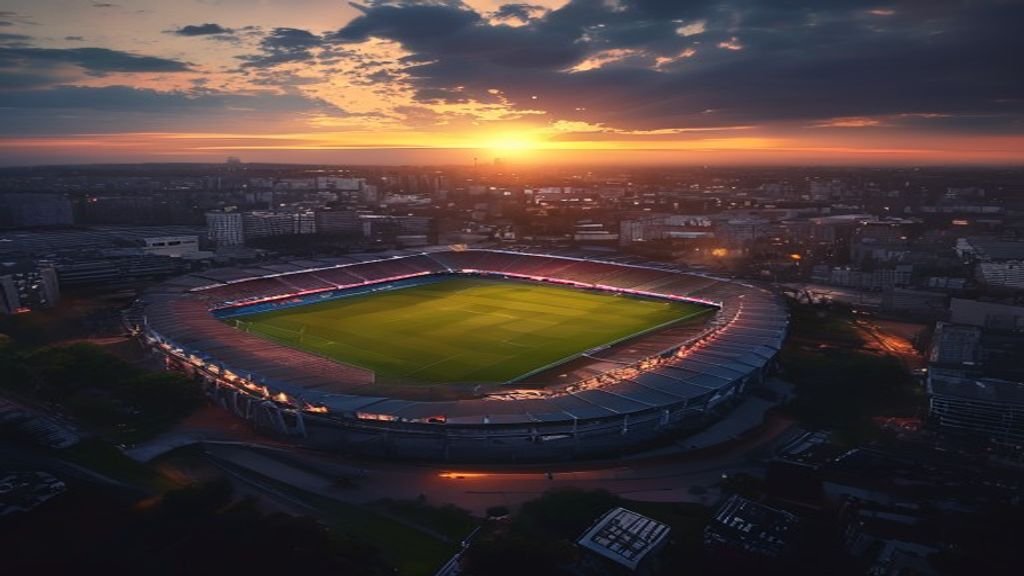
No discussion of Crystal Palace is complete without acknowledging the spiritual home of our club: Selhurst Park. It’s more than just a stadium; it’s a fortress, a cauldron of noise, and the beating heart of South London football. When the team walks out onto that pitch, they’re not just playing for three points; they’re playing for the thousands of fans in the stands, the generations who have stood in the Holmesdale End, and the community that rallies around this club.
The atmosphere at Selhurst can lift players, intimidate opponents, and turn the tide of a match. Even through injury struggles and challenging fixtures, the roar of the faithful never falters. It’s that unwavering support that makes being a Crystal Palace fan so special. We’ve seen it time and again, the players digging deep, spurred on by the wall of sound from the stands.
It’s the spirit of Selhurst that gives us hope when things are tough and fuels our celebrations when the victories come. As we navigate these tricky times, the players will know they have the full backing of the Selhurst crowd. From what I saw last week, the lads were feeding off that energy, and it makes all the difference.
The Road Ahead for the Eagles
The season is a marathon, not a sprint, and while we face our share of challenges with injuries and the ever-present pressure of the transfer window, the spirit of Crystal Palace remains unyielding. We’ve got promising young talent emerging, the manager is making tough but necessary tactical decisions, and the Selhurst faithful will continue to be the loudest and proudest supporters in the land.
Let’s stick together, back the lads through thick and thin, and look forward to what the future holds. What are your thoughts on our injury situation and who we should target in the transfer window? Drop a comment below, share this article with your fellow Eagles, and make sure you check our fixtures for upcoming matches – we’ll see you at Selhurst! Up the Palace!